Echocardiography
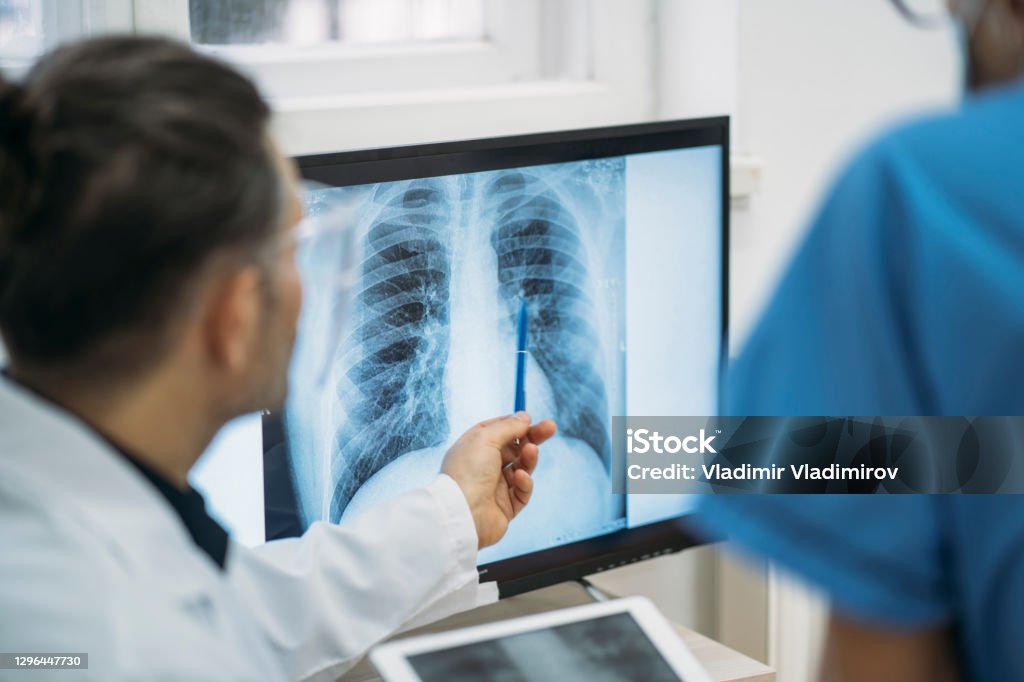
WyoHeart provides echocardiography, a non-invasive ultrasound that evaluates your heart’s structure and how effectively it pumps blood. An echocardiogram is commonly used to investigate symptoms such as chest pain or shortness of breath, evaluate heart murmurs, and monitor existing heart conditions.
Transesophageal Echocardiography
Transesophageal Echocardiography (TEE) provides detailed images of your heart’s structure and function, allowing your physician to evaluate heart valves, identify structural abnormalities, and diagnose conditions that may not be visible with a standard echocardiogram. During this specialized ultrasound, a small imaging probe is guided through the esophagus to capture highly detailed images of the heart. Most TEE procedures take one to two hours, including preparation and recovery.
Nuclear Cardiac Imaging
Cardiac nuclear imaging, also known as a nuclear stress test, evaluates blood flow to your heart and assesses how well your heart functions under stress. Using advanced imaging technology and a small amount of radioactive tracer, we can test and identify areas of reduced blood flow, narrowed arteries, or other cardiovascular concerns that may not be visible with standard diagnostic testing. The tracer naturally leaves your body within hours, and the results help your physician determine a personalized treatment plan.
Vascular Ultrasound
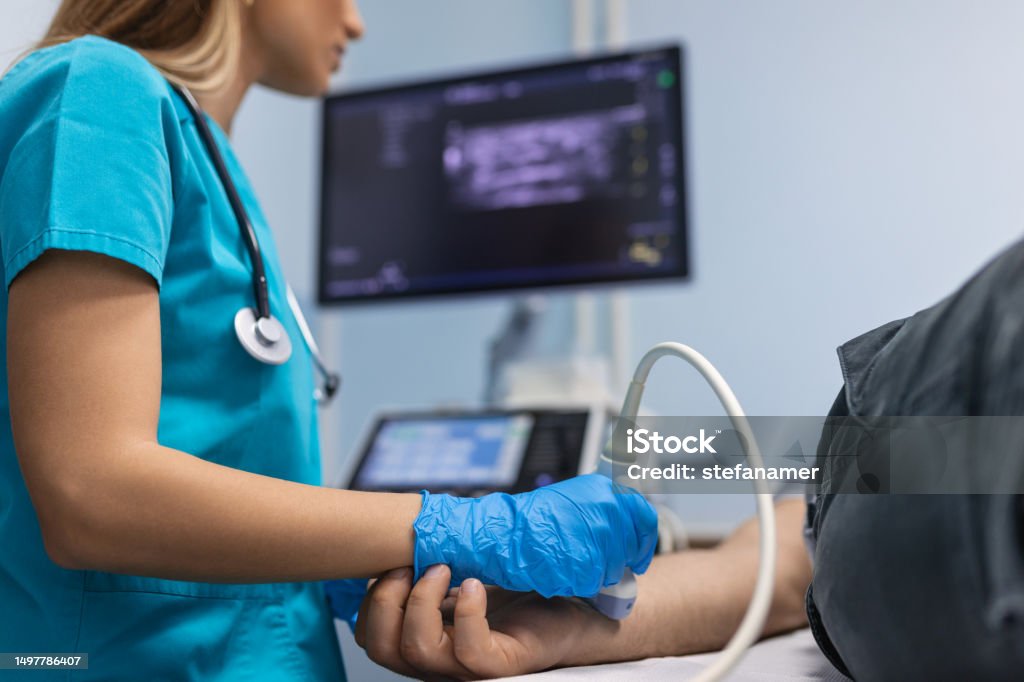
Vascular ultrasound uses advanced imaging technology to evaluate blood flow and identify conditions affecting your arteries and veins. WyoHeart performs a variety of vascular ultrasound studies, including carotid, renal artery, abdominal aortic, venous duplex, and ankle-brachial index (ABI) examinations. These non-invasive tests help diagnose vascular disease, assess circulation, and guide personalized treatment recommendations.
Cardiac Stress Testing
We offer two types of cardiac stress testing: nuclear and exercise. Exercise stress testing evaluates your heart’s performance during physical activity, while nuclear stress testing uses nuclear cardiac imaging to help our specialists identify areas of reduced blood flow. Your physician will recommend the most appropriate stress test based on your individual needs.
Echo Stress Testing
Stress echocardiography, or stress echo, records images of your heart before and after exercise. Our experienced cardiologists compare the images to determine whether your heart gets enough blood to meet its increased oxygen demand. Images of your heart are recorded for future physician reference.